How EtherWaver works across screens and hosts
EtherWaver coordinates screen layout, input ownership, and network communication so the cursor can move cleanly between computers and displays.
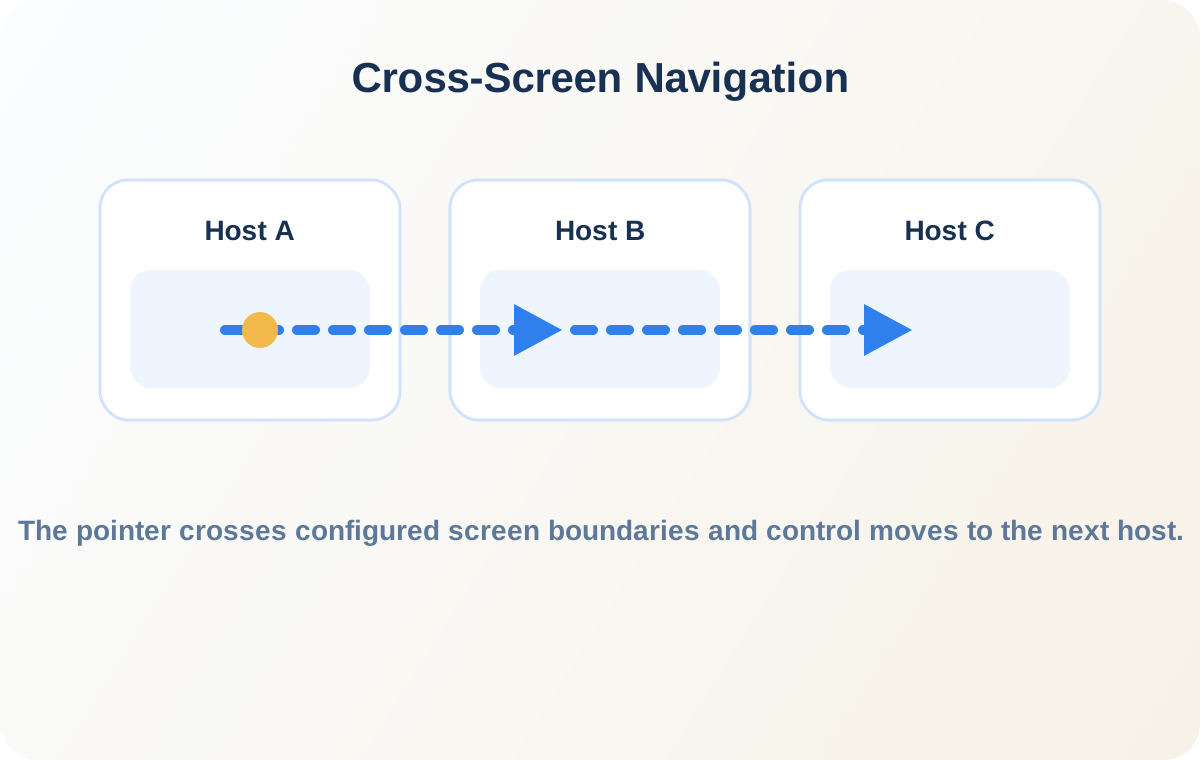
Cursor crossing screen boundaries
The local screen edge becomes a transition point where control can move to the next configured host in the workspace map.
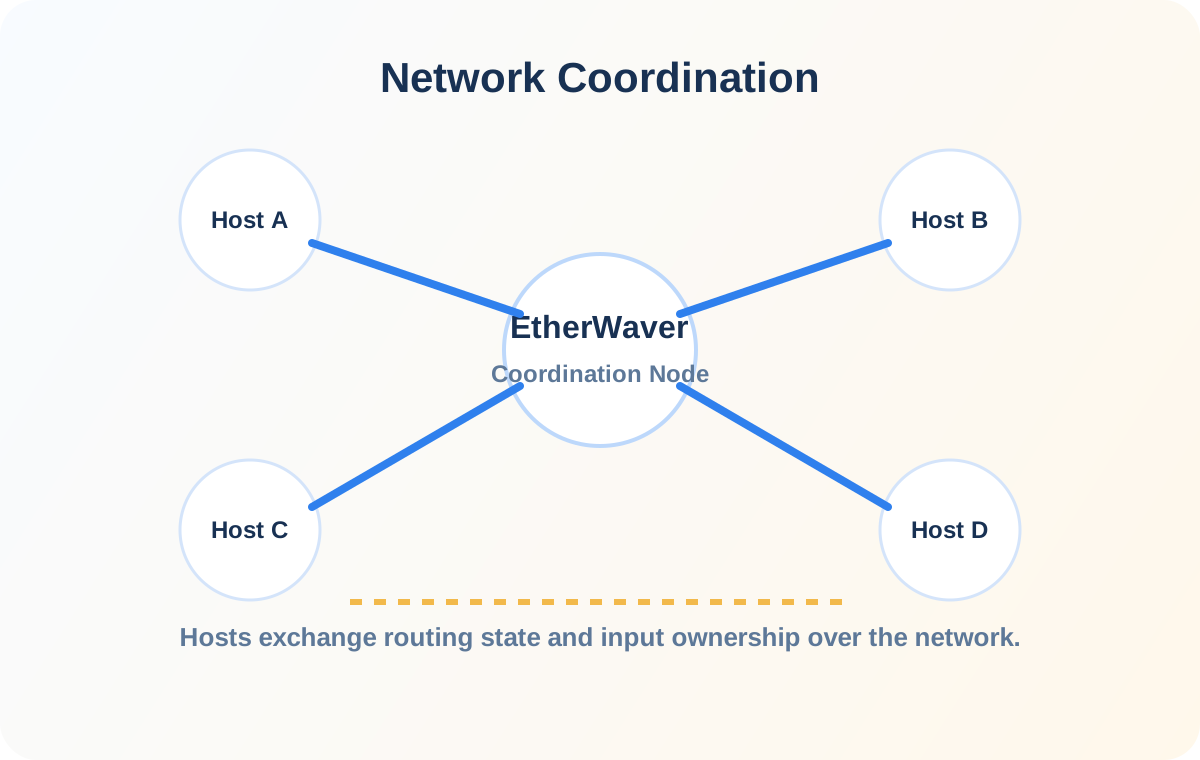
Network communication between hosts
Input state and routing information are transported across the network so that multiple machines can behave as one navigable environment.
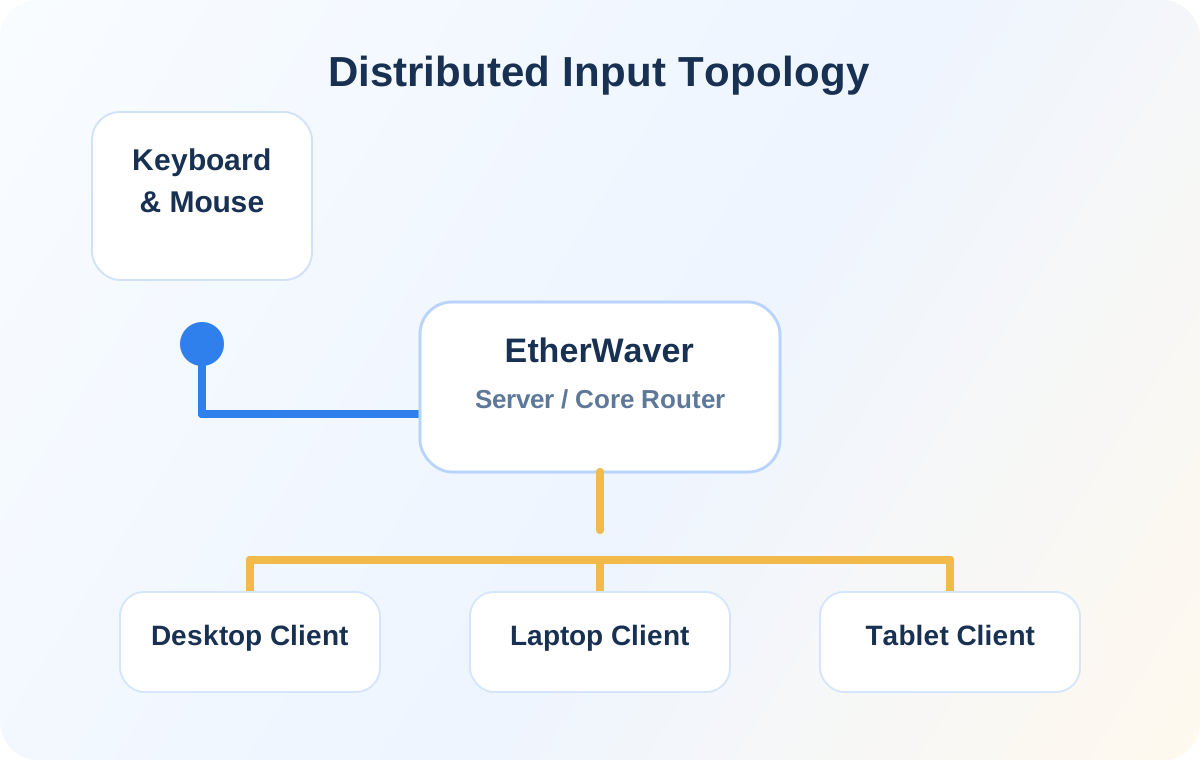
Core architecture overview
The architecture separates user input, coordination logic, and client devices into a system that can expand over time.
How It Works
How EtherWaver works across screens and hosts
Define workspace topology
Hosts and screens are arranged in a logical map so EtherWaver understands adjacency and navigation boundaries.
Capture and route input
Keyboard and mouse events are captured, interpreted, and delivered to the active client based on cursor position and workspace rules.
Synchronize across the network
The participating systems exchange state so transitions feel continuous across multiple computers.